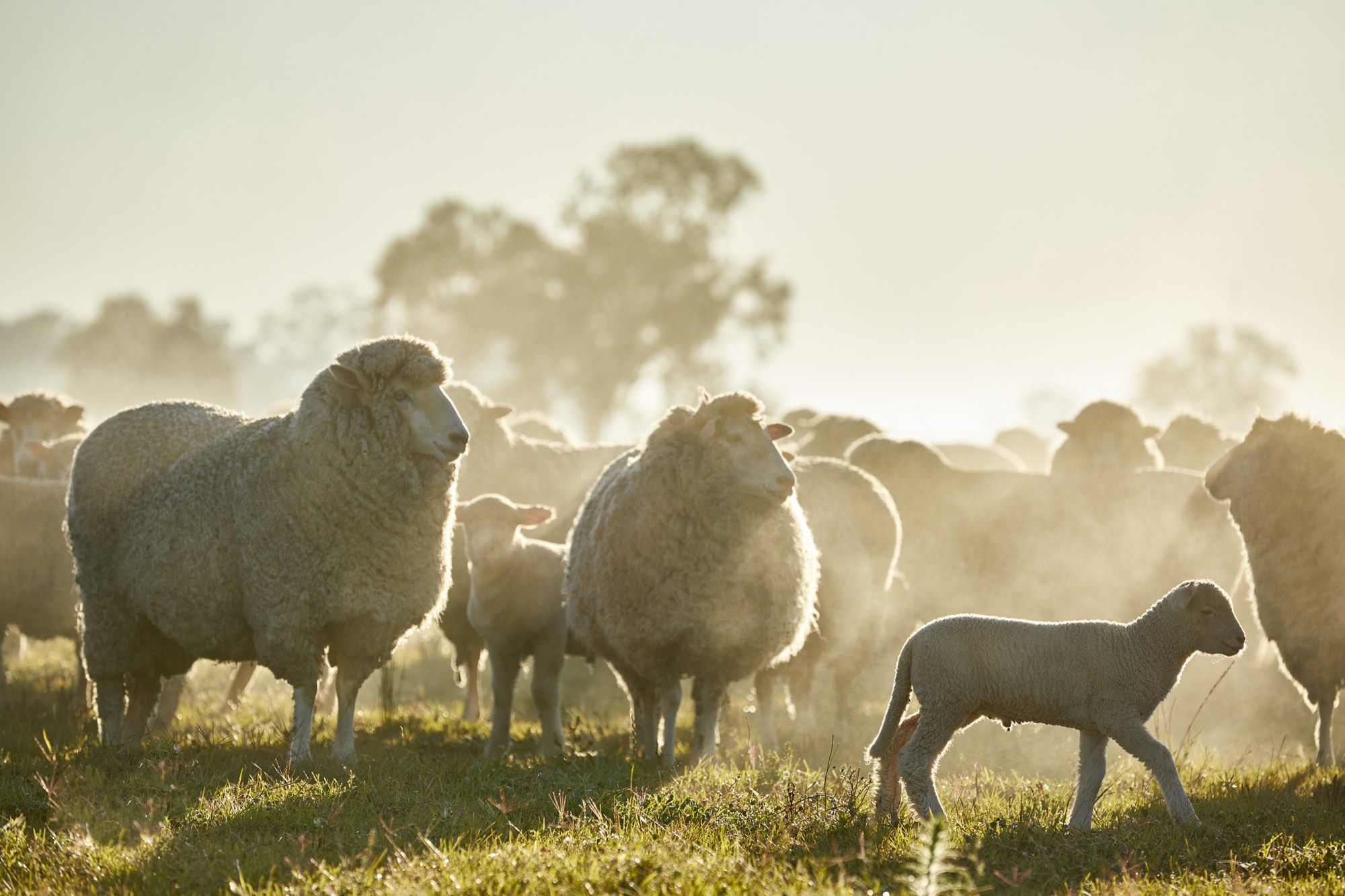
Protect lamb supply.
Build demand together.
A reliable supply of lamb supports American factories, farms and families. Follow the Section 201 investigation and what it means for American lamb businesses.
October 16, 2026 — At the ITC's public injury hearing, U.S. lamb processors and economists told the Commission how drought and a shrinking U.S. flock have shaped lamb supply.1 Read what we heard →
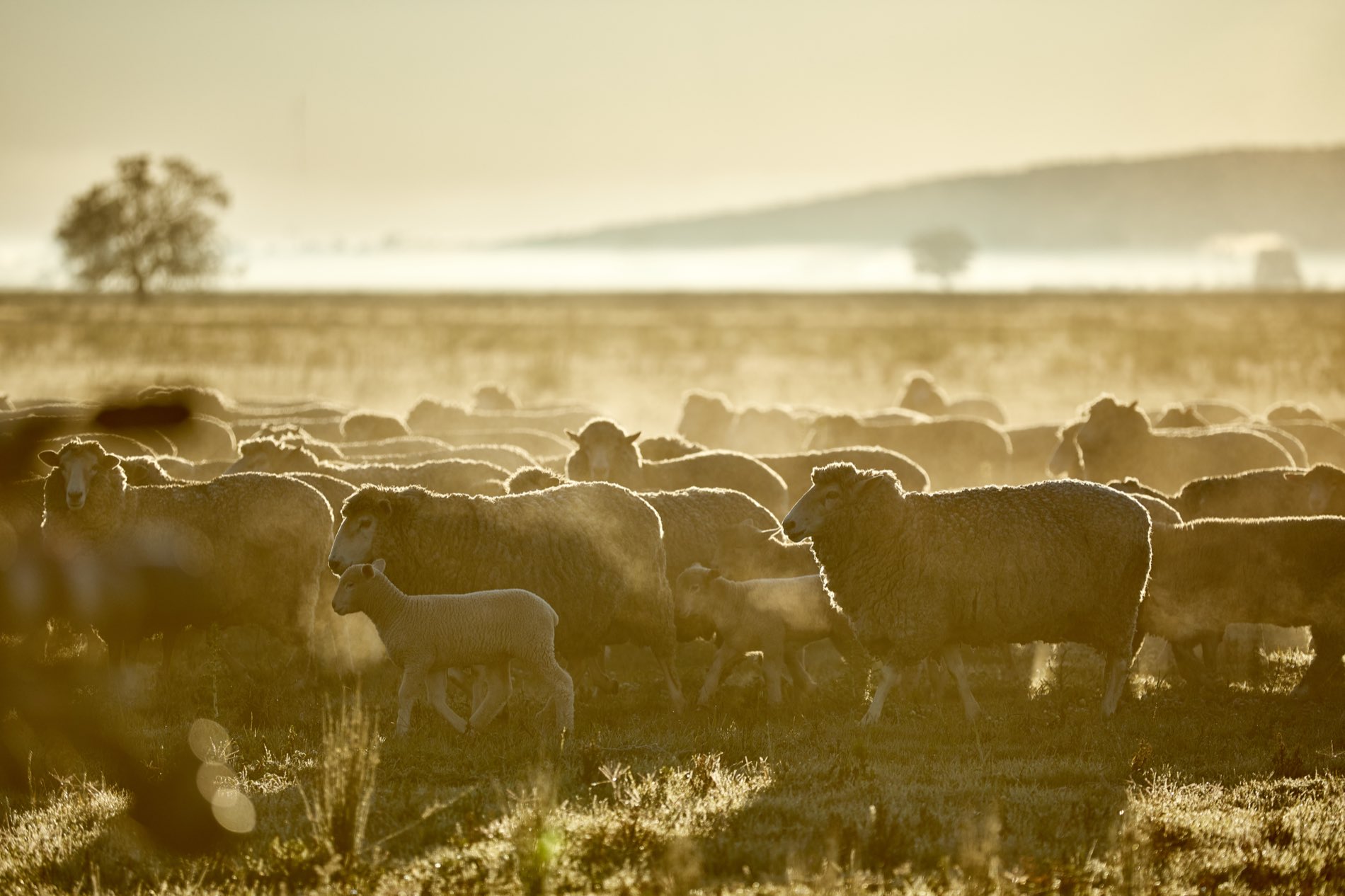
Drought and a shrinking flock shape lamb supply.
Economic analysis filed with the Commission by Georgetown's Rodney Ludema and Rutgers' Thomas Prusa finds drought accounts for 73.1% of the movement in U.S. wholesale lamb prices that their model explains; imports, less than 2%.2
Lamb imports grew about 3.5% a year from 2021 to 2025, slower than the 4.4% a year from 2010 to 2020.5
Year-round supply
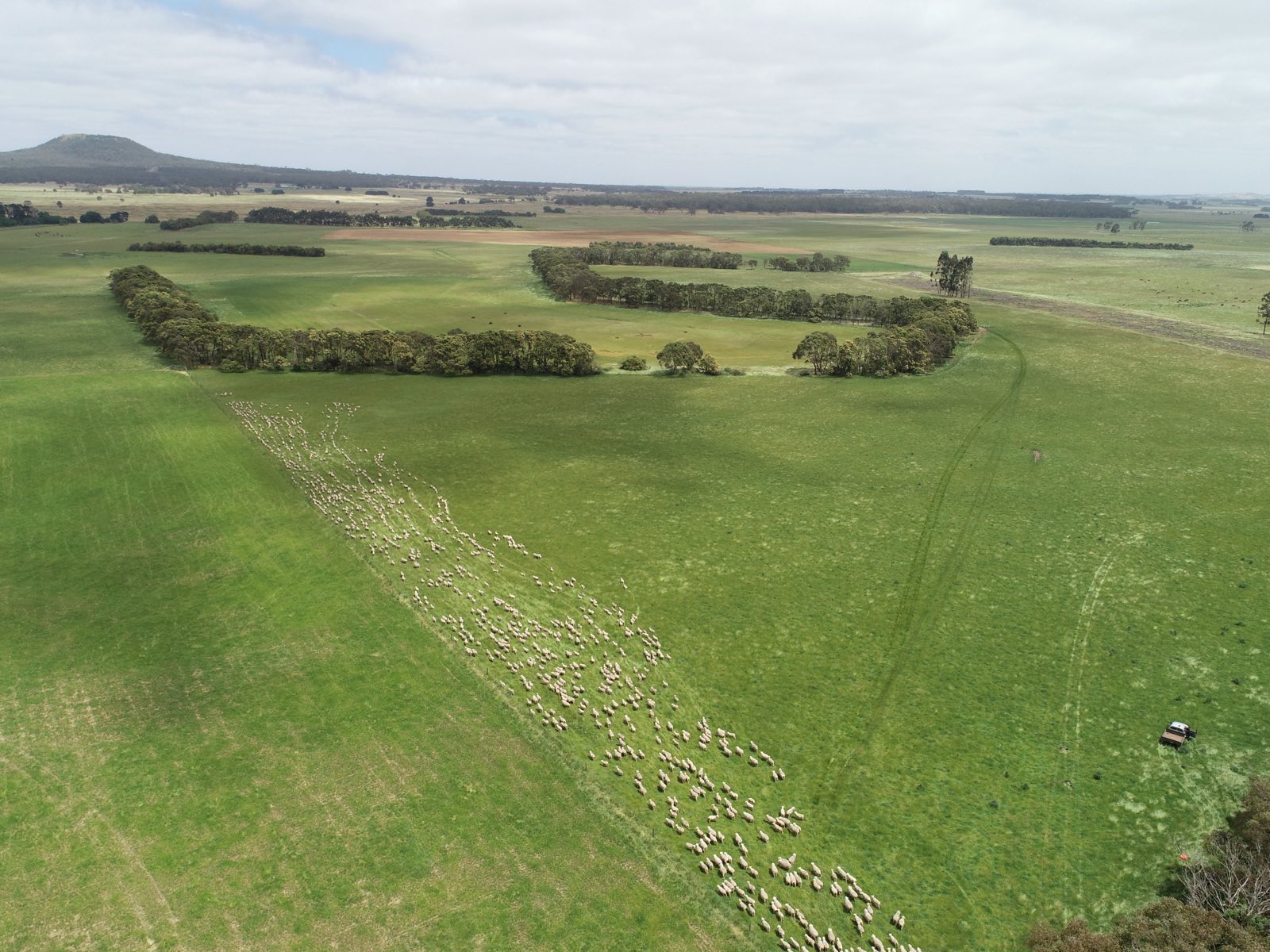
Imported lamb complements domestic production, helping keep lamb on shelves and menus year-round.
American jobs
A reliable lamb supply means onshore jobs and production lines are there when American sheep producers need to get their lamb from paddock to plate.
Growing demand
The best measure is one that protects supply and grows demand for lamb, so more Americans eat more lamb, more often.
Lamb competes with other proteins for limited space on supermarket shelves and restaurant menus. In this environment, a protein that isn't reliable or affordable quickly gets replaced with one that is. Protecting supply and growing demand go together.
The U.S. International Trade Commission (ITC) is investigating whether increased imports are a substantial cause of serious injury, or threat of serious injury, to the domestic industry. If the ITC makes an affirmative injury determination or is equally divided, it proceeds to consider remedy recommendations. The President makes the final decision on whether and how to act.
Stay connected as the case continues
Understand
Know what's happening and what it means for you.
Stay informed
Sign up for plain-language updates on the investigation.
Follow the investigation
See the next milestones and official case information.
We look forward to working with U.S. industry, the ITC, and the administration toward an outcome that protects supply, builds demand and grows appetite for lamb.
Protect Lamb Supply
Protect Lamb Supply is an initiative bringing together American businesses and supply-chain partners — importers, processors, distributors, food-service operators, and retailers — working to protect a stable lamb supply and grow demand for the category. The initiative is supported by industry partners including the Australian Meat Industry Council (AMIC) and Meat & Livestock Australia (MLA). Participation does not imply legal membership in a formal entity.
Stable supply. Affordable lamb. Strong jobs.
Stay informed as the investigation continues, with plain-language updates on hearings and key developments.
Sources
- U.S. International Trade Commission (ITC), hearing page: Lamb Meat (Injury), October 16, 2026; hearing testimony and presentation filed October 15, 2026, by Meat & Livestock Australia and Thomas Foods International USA, EDIS doc. 897894.
- Rodney Ludema and Thomas J. Prusa, "An Economic Analysis of Imported Lamb on U.S. Lamb Prices and Sales," October 8, 2026, Appendix A to the prehearing injury brief of Meat & Livestock Australia and Thomas Foods International USA, PDF p. 93 [report p. 86], Table 6. EDIS doc. 897870.
- U.S. Department of Agriculture (USDA), Sheep and Goats, January 28, 1976, p. 1. USDA (PDF).
- USDA National Agricultural Statistics Service, Sheep and Goats, January 2026, p. 1. USDA (PDF).
- Government of Australia, prehearing submission, October 8, 2026, p. 8. EDIS doc. 897067.
Documents marked EDIS are on the ITC's public docket. Opening them requires a free EDIS account, which you can create with Login.gov.