Why It Matters
Reliable supply supports American businesses and jobs. Domestic and imported lamb together help keep lamb on shelves and menus year-round.
What is happening
The U.S. International Trade Commission (ITC) is conducting a Section 201 safeguard investigation into lamb meat. It held its public injury hearing on October 16, 2026, and its injury determination is due by November 13.1
We respect the ITC's process and will engage constructively and in good faith to put our case forward.
A reliable supply of lamb supports American factories, farms and families.
The ITC
The independent U.S. International Trade Commission gathers evidence and makes the injury determination in this investigation.
Section 201
The safeguard law under the Trade Act of 1974. It asks whether increased imports are a substantial cause of serious injury, or threat of serious injury, to a domestic industry. It does not require a finding of unfair trade.
A safeguard remedy
If the ITC makes an affirmative injury determination or is equally divided, it proceeds to consider remedy recommendations. A remedy could include tariffs or quotas. The President makes the final decision on whether and how to act.
What the evidence shows
Economic analysis filed with the Commission by Georgetown's Rodney Ludema and Rutgers' Thomas Prusa finds drought accounts for 73.1% of the movement in U.S. wholesale lamb prices that their model explains; imports, less than 2%.2
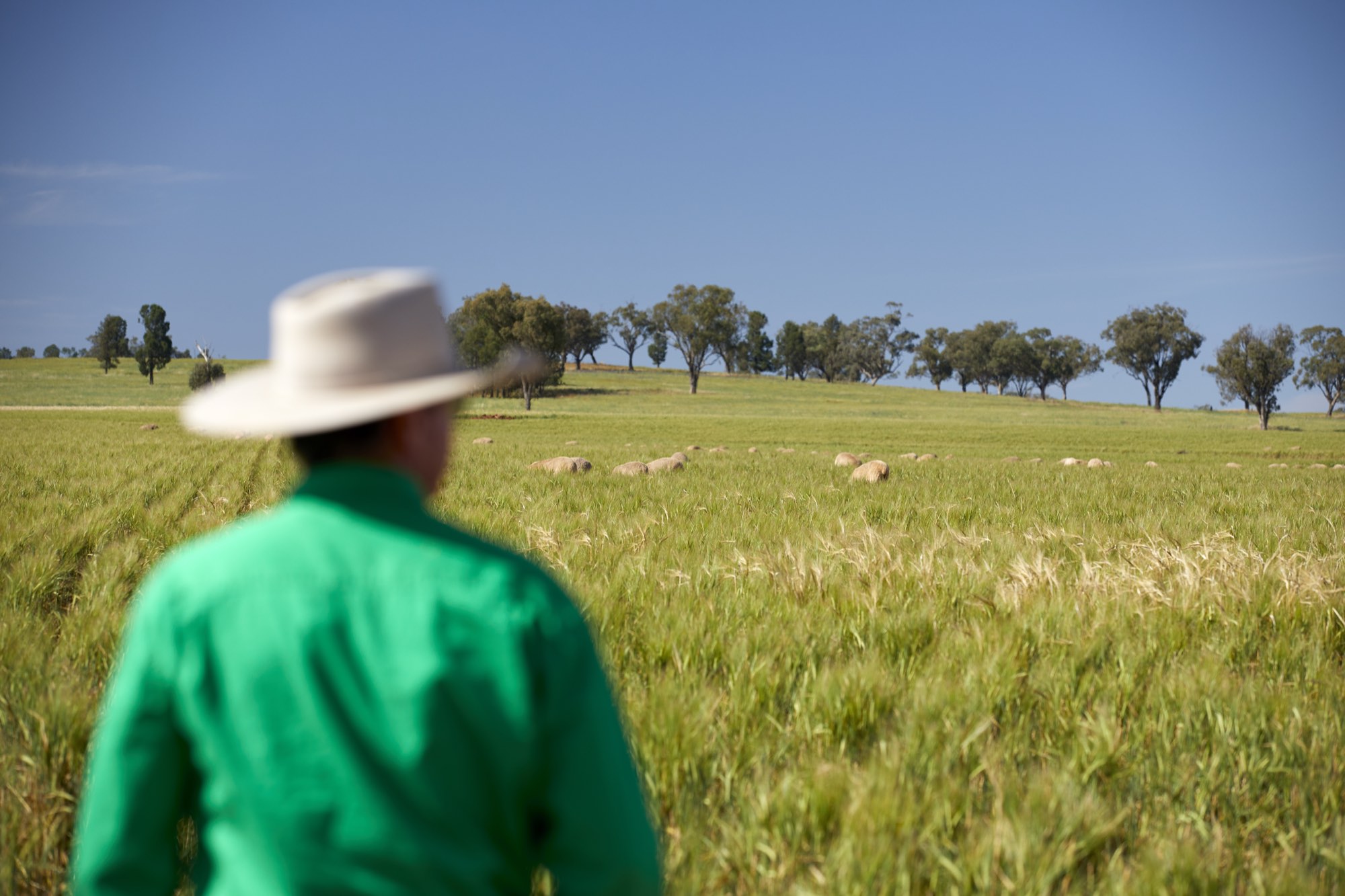
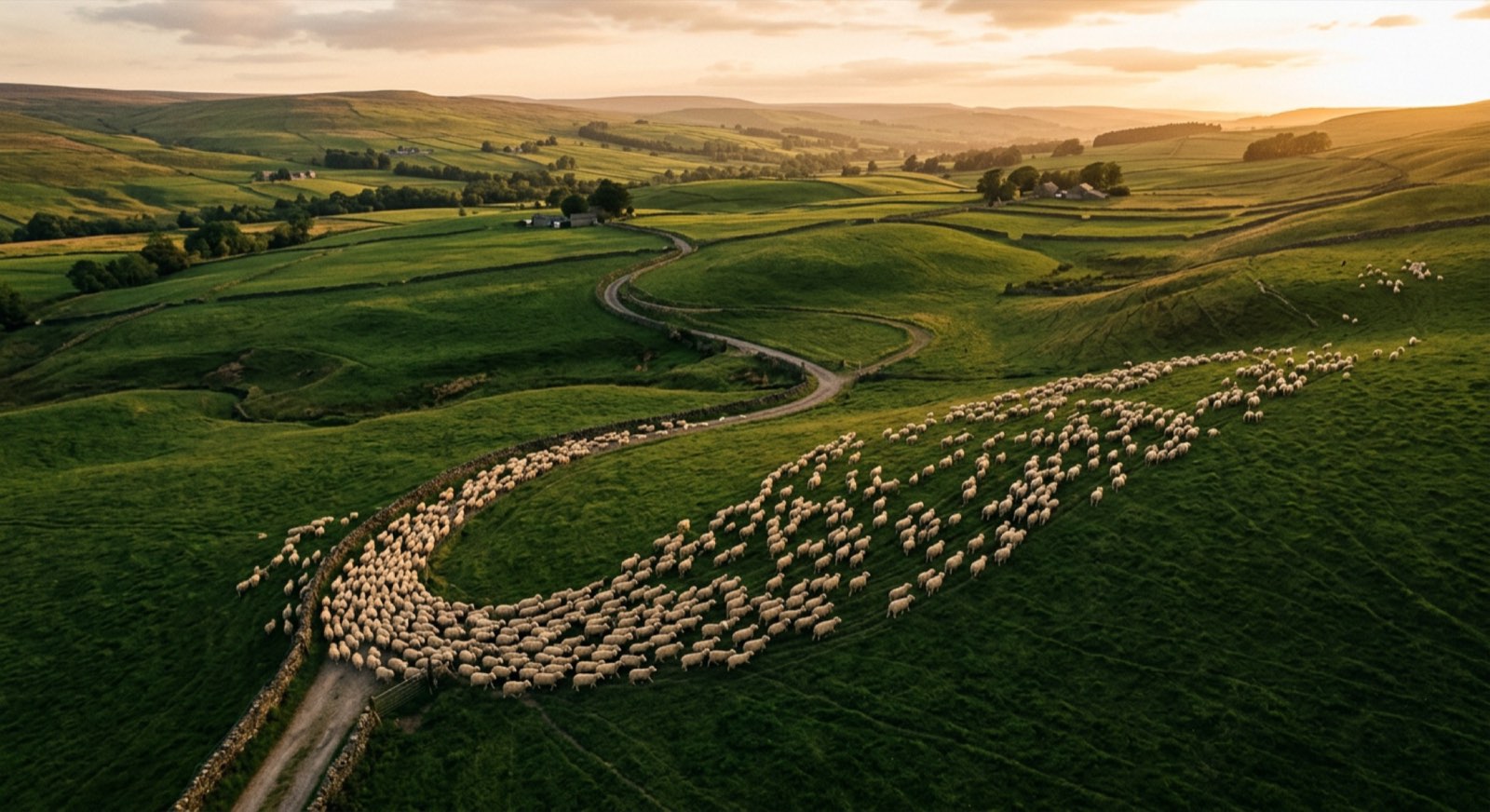
The U.S. flock fell by 145,000 head between January 2021 and January 2025.3
Imports supplied 78.9% of the lamb Americans ate in 2025, up from 72.4% in 2021, filling the gap left by a shrinking flock.3
Why reliable supply matters
A resilient lamb supply chain depends on a reliable lamb supply.
A reliable lamb supply means onshore jobs and production lines are there when American sheep producers need to get their lamb from paddock to plate.
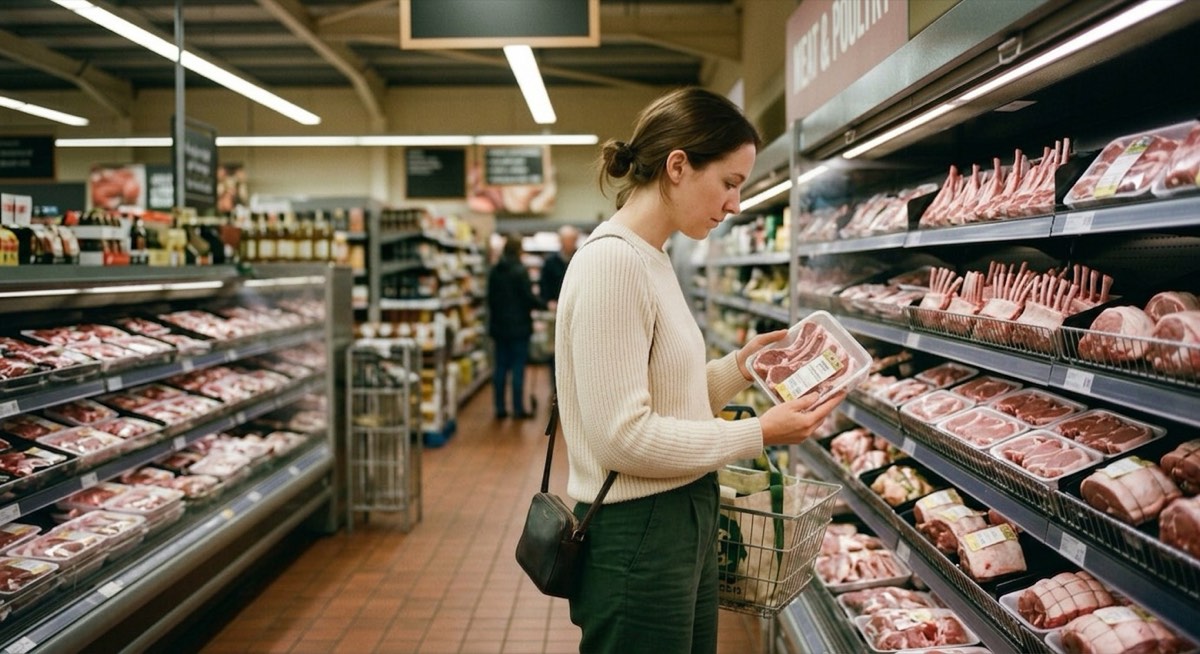
Lamb competes with other proteins for limited space on supermarket shelves and restaurant menus. In this environment, a protein that isn't reliable or affordable quickly gets replaced with one that is.

Protect supply. Grow demand.
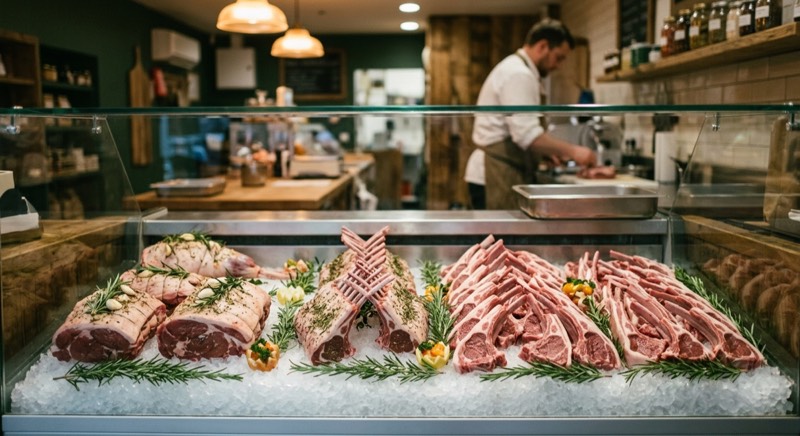
Imported lamb is counter-seasonal: it supplies lamb at different times of the year, complementing domestic production and helping keep lamb on shelves and menus year-round.
The best measure is one that protects supply and grows demand for lamb, so more Americans eat more lamb, more often.
We look forward to working with U.S. industry, the ITC, and the administration toward an outcome that protects supply, builds demand and grows appetite for lamb.

What happens next
The ITC held its public injury hearing on October 16, 2026. Post-hearing briefs are due October 23, and the Commission's injury determination is due by November 13.1
Sources
- ITC, notice of institution and scheduling, Lamb Meat, Inv. No. TA-201-80, 91 Fed. Reg. 45283 (July 20, 2026), pp. 45283–45285. Federal Register (PDF).
- Rodney Ludema and Thomas J. Prusa, "An Economic Analysis of Imported Lamb on U.S. Lamb Prices and Sales," October 8, 2026, Appendix A to the prehearing injury brief of Meat & Livestock Australia and Thomas Foods International USA, PDF p. 93 [report p. 86], Table 6. EDIS doc. 897870.
- ITC, Lamb Meat, Inv. No. TA-201-80, prehearing staff report (public version), October 2, 2026, PDF p. 82 [Table 3.1] for the flock and PDF pp. 18 [report p. 1.6] and 283 [Table C.1] for the import share of U.S. consumption. EDIS doc. 896447.
Documents marked EDIS are on the ITC's public docket. Opening them requires a free EDIS account, which you can create with Login.gov.